Source Mute Foam Drum Practice Pad for Beginners, Students, and Performers
Compare 30 listings for the Mute Foam Drum Practice Pad from verified Chinese suppliers. Buyers can evaluate specifications like size, material, and customization options to find the right percussion accessory for their needs.
Key considerations
Products List
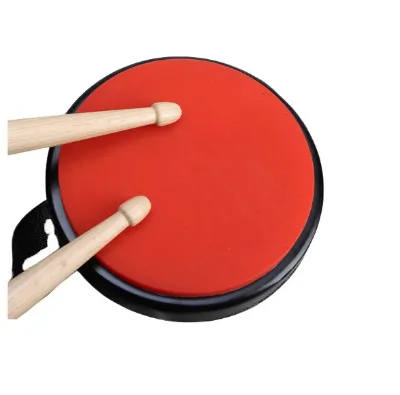
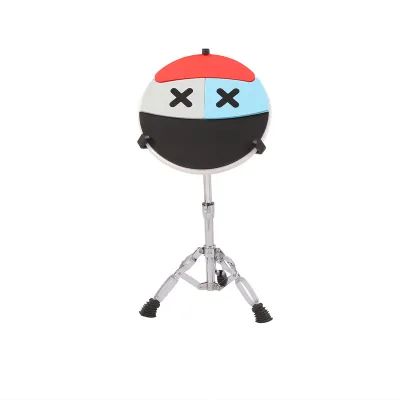


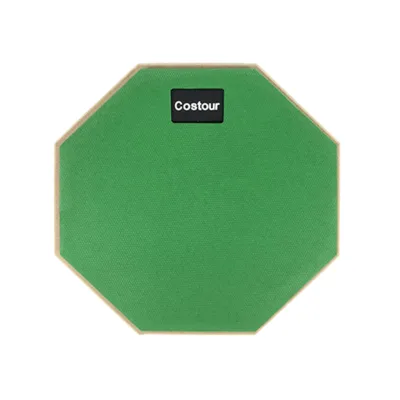
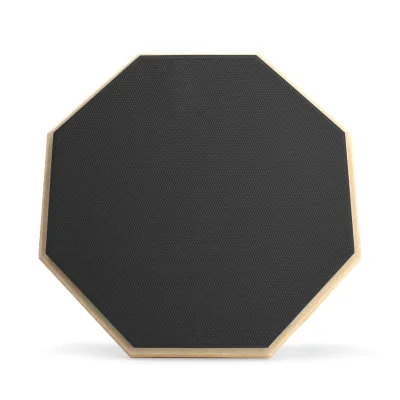
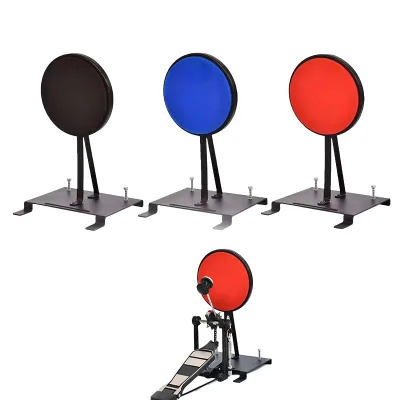
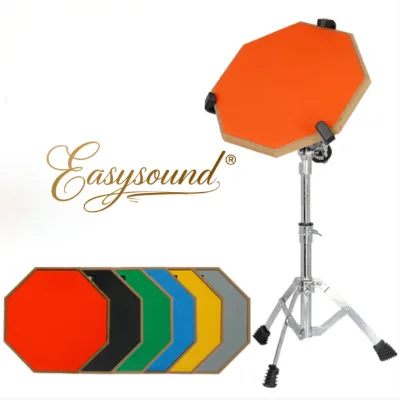
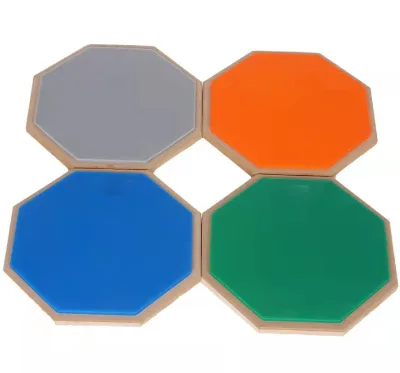
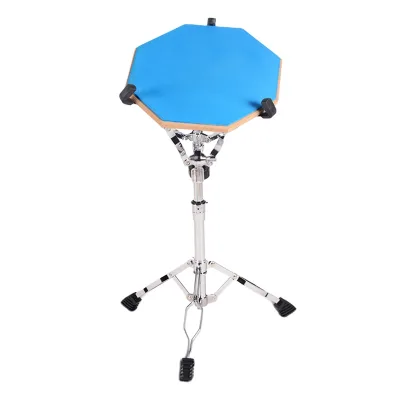
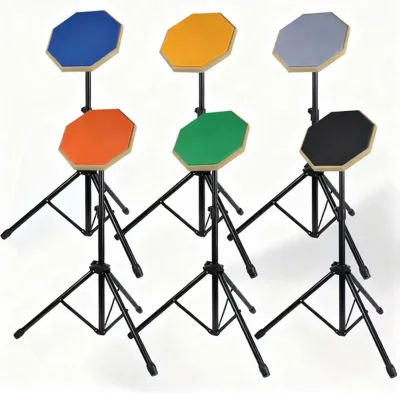
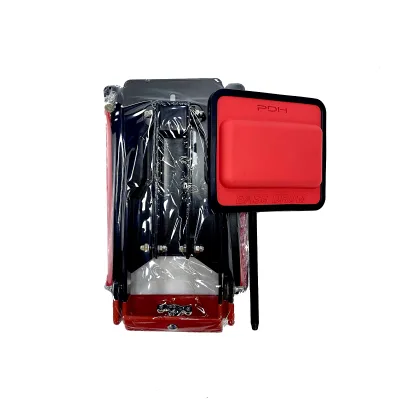
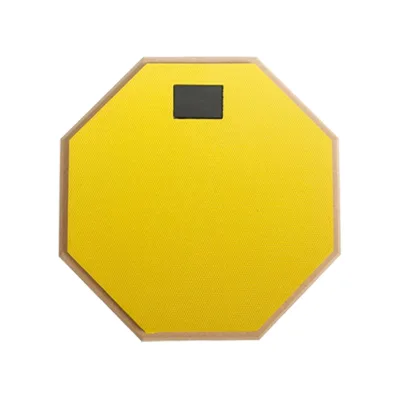
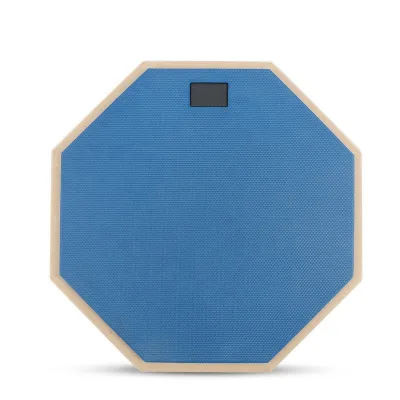
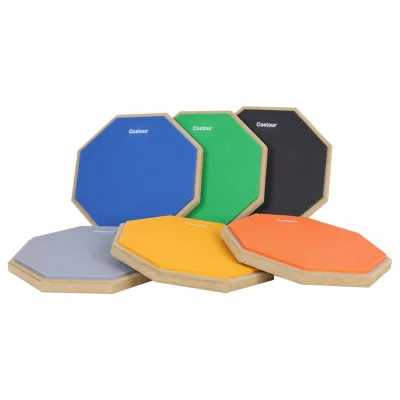
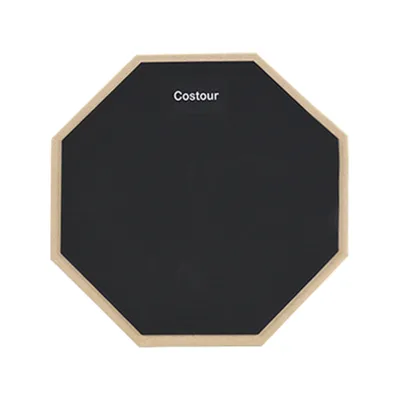
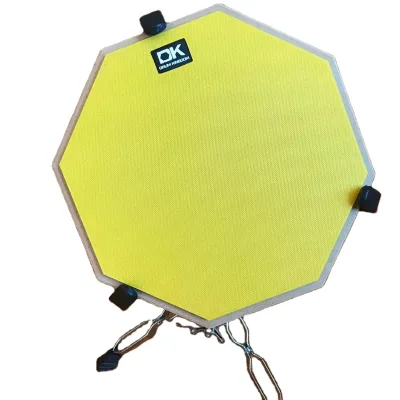
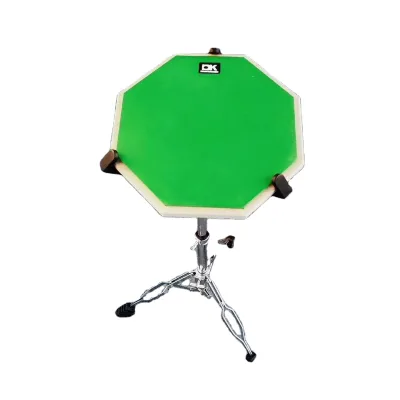
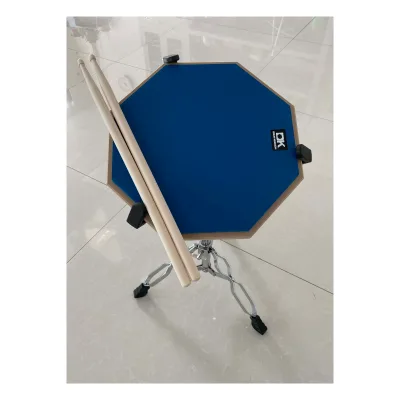
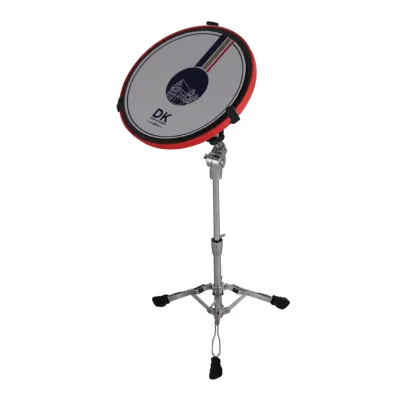
Factory Wholesale 8-Inch 12-Inch Silent Drum Pad with Stand Practice Drum Pad Set
$10.58 - $11.00
MOQ: 1 pieces



Comprehensive Sourcing Guide
Strategic Sourcing Guide for Mute Foam Drum Practice Pads
Understanding Product Specifications and Material Composition
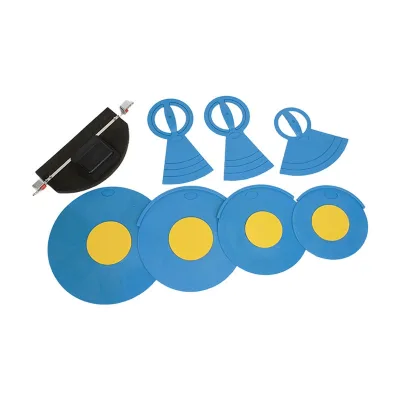
When sourcing mute foam drum practice pads, buyers must first distinguish between the various physical configurations available in the global market. The core keyword often encompasses a range of products, from portable, foldable rubber pads to rigid, multi-layered practice stations. Based on observed market data, the material composition is a critical differentiator. While some listings explicitly identify the product material as a composite of iron, wood, and rubber, others focus on the drum head material, which is frequently described as rubber or foam. The "mute" aspect of the product is primarily achieved through the density and composition of the striking surface, which absorbs kinetic energy to reduce volume without eliminating the tactile feedback necessary for skill development.
Buyers should scrutinize the "Single package size" and "Single gross weight" to understand the logistics implications of the product. Observed data indicates a wide variance in dimensions, ranging from compact units measuring 34x28x5 cm to larger, more substantial units with weights fluctuating between 1.2 kg and over 29 kg for multi-piece sets. The "Model Number" serves as a primary identifier for these variations, with specific codes like AZ-DP11, AZ-DP04, and G6008 appearing in the supply chain. These identifiers often correlate with specific size offerings, such as the common 8-inch diameter, which is a standard for beginner and intermediate practice. The "Style" attribute further categorizes these items, with "Flexible" and "Foldable" designs offering portability for musicians on the go, while rigid models provide a stable surface for stationary practice.
Compliance, Certification, and Safety Standards
In the B2B procurement of musical accessories, compliance and safety are paramount, particularly when the end-user demographic includes beginners and children. Although specific certification documents are not universally listed for every SKU in the current market data, buyers must verify that products adhere to relevant international safety standards for toys and musical instruments. The "Place of Origin" is predominantly China, with specific manufacturing hubs noted in Hebei, Guangdong, and Tianjin. This geographic concentration suggests a mature supply chain, but it also necessitates rigorous due diligence regarding chemical safety and physical durability.
Buyers should request documentation confirming that the materials used—specifically the rubber, foam, and any adhesives—comply with standards such as ASTM F963 (Standard Consumer Safety Specification for Toy Safety) or EN71 (European safety standards for toys), as these pads are often marketed as gifts for young drum players. The "Product Material" listing of "Iron+Wood+Rubber" implies a composite structure that requires testing for structural integrity and the absence of hazardous substances. Furthermore, the "Customization" attribute, which includes options for custom logos and shapes, introduces additional compliance layers. Any custom inks or dyes used for branding must be non-toxic and safe for skin contact, as practice pads are handled frequently.
Cost Drivers and Pricing Dynamics
The pricing structure for mute foam drum practice pads is influenced by several variable factors, including material density, packaging complexity, and customization requirements. The observed price range in the market spans from $1.68 to $28.99 USD. This significant variance reflects differences in product quality, brand positioning, and the inclusion of accessories. Lower-priced items often correspond to single-unit, basic rubber pads with minimal packaging, while higher-priced units may include multiple pads, stands, or premium materials like high-density foam and reinforced wooden bases.
The "MOQ" (Minimum Order Quantity) is another critical cost driver, with observed ranges extending from 1 piece to 100 pieces. Suppliers offering an MOQ of 1 piece are typically catering to drop-shippers or small retailers, whereas those requiring 100 pieces are geared toward bulk distributors. The "Package" configuration also impacts cost; for instance, a "5PCS/CTN" (carton) arrangement suggests a bulk shipping strategy that reduces per-unit logistics costs compared to individual "Inner Boxes" or "Carton Box" packaging for single items. Buyers must balance the unit price against the total landed cost, considering that heavier items with larger "Single package sizes" incur higher freight charges. The "Weight" attribute, which varies from 1.2 kg to 29 kg, directly correlates with shipping expenses, making it a vital metric for calculating the final cost of goods sold.
Typical Applications and User Demographics
The application of mute foam drum practice pads is versatile, serving a broad spectrum of users from absolute beginners to professional performers seeking silent practice environments. The "Usage" attribute explicitly lists "Play Performance," indicating that these pads are not merely for hobbyists but are suitable for serious training. The "Use for" description highlights their suitability as "Music Drum Players Beginners Gift," suggesting a strong market presence in the educational sector and for parents purchasing for children.
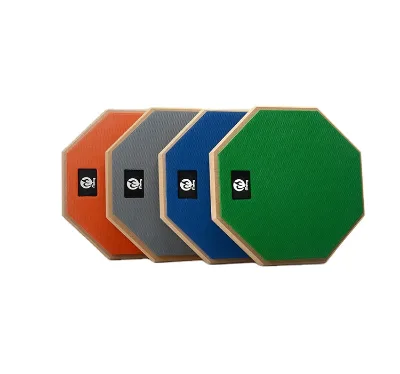
The "User Number" attribute specifies "1 Person," confirming that these are primarily single-user instruments, though some listings mention "Combo Set Offered: 1," which may imply bundled accessories rather than multi-user capacity. The "Application" is defined as "Drum Percussion Instrument Accessories Parts," positioning them as essential tools for percussionists. The "Style" of being "Flexible" and "Foldable" makes them ideal for travel, allowing musicians to practice in hotel rooms or small apartments without disturbing neighbors. Conversely, rigid models with "Medium" dimensions are better suited for home studios or music classrooms where stability is required. The "Color" options, ranging from standard Red, Orange, and Blue to more neutral Gray, Black, and Green, allow for customization to match brand identities or personal preferences, enhancing the product's appeal in the gift market.
Supplier Evaluation and Origin Verification
Evaluating suppliers for drum practice pads requires a focus on origin verification and production capacity. The data indicates that the "Place of Origin" is consistently China, with specific provinces like Hebei, Guangdong, and Tianjin emerging as key manufacturing regions. Guangdong, in particular, is known for its robust electronics and instrument manufacturing infrastructure, while Hebei and Tianjin offer significant industrial capacity. Buyers should verify the specific factory location to ensure it aligns with their quality expectations and logistical needs.
The "Brand Name" attribute shows a mix of OEM (Original Equipment Manufacturer) options and specific brand names like "yindu." This indicates that many suppliers operate on a white-label basis, allowing buyers to create their own branded products. The "Customization" and "Serive" (Service) attributes, which include "Custom Logo" and "Custom Shape," are strong indicators of a supplier's flexibility. However, buyers must ensure that the supplier has the technical capability to maintain quality during customization processes. The "Model Number" variations, such as G5010, G6008, and CT-802, suggest a diverse product line, implying that the supplier has a broad inventory. Buyers should request samples of different model numbers to assess consistency across the supplier's range, as quality can vary between different SKUs even within the same factory.
Quality Control and Long-Term Procurement Considerations
Implementing a robust quality control (QC) protocol is essential for maintaining product integrity in the drum pad market. Given the "Material" composition of rubber, wood, and iron, QC checks should focus on the durability of the striking surface, the stability of the base, and the quality of the packaging. The "Single gross weight" and "Single package size" must be verified against the supplier's specifications to ensure that the product arrives undamaged and meets the stated dimensions. For example, a pad listed as 34x28x5 cm must not arrive compressed or deformed, which could affect its performance.
Long-term procurement considerations involve assessing the supplier's ability to scale and maintain consistency. The "MOQ" flexibility observed in the market, ranging from 1 to 100 pieces, suggests that suppliers are willing to accommodate different order sizes, but buyers should negotiate terms that allow for gradual scaling without compromising quality. The "Customized" nature of many products means that tooling and mold costs may be involved, so buyers should clarify who bears these costs and how they are amortized over future orders. Additionally, the "Product Name" and "Type" consistency across batches is crucial for brand reputation. Buyers should establish clear acceptance criteria for color variations, as the "Color" attribute lists a wide spectrum of options, and ensure that the "Standard" dimensions (e.g., 822321cm or 41.521.529.5CM) are strictly adhered to in production.
Comparative Analysis of Product Variants
To facilitate informed decision-making, buyers can compare key product attributes across different models. The following table summarizes the observed variations in specifications, helping to categorize products based on intended use and logistical requirements.
| Feature | Model AZ-DP11 | Model AZ-DP04 | Model G6008 | Model CT-802 |
|---|---|---|---|---|
| Primary Material | Other | Other | Iron+Wood+Rubber | Rubber |
| Size/Dimension | 34x28x5 cm | 8 Inches | Medium | 8 Inch |
| Weight | 1.270 kg | 1.2 kg | 10.8kg - 29kg | N/A |
| Style | Single Item | Flexible, Foldable | N/A | N/A |
| Color Options | Red | Orange/Red/Blue/Yellow | N/A | Yellow, Gray, Blue, Green, Orange, Black |
| Packaging | Single Item | 5PCS/CTN | Inner Boxes | Carton Box |
| Origin | Hebei, China | Hebei, China | Guangdong, China | Tianjin, China |
| Customization | Available | Available | Custom Logo, Shape | OEM |
This comparison highlights that while the core function remains the same, the physical characteristics and supply chain logistics differ significantly. The AZ-DP04 and AZ-DP11 models appear to be lighter, more portable options, whereas the G6008 series suggests heavier, more substantial units suitable for professional or institutional use. The CT-802 model, with its broad color range and OEM branding, is positioned for markets where visual customization is a priority. Buyers should align their procurement strategy with these distinct profiles, selecting the model that best fits their target customer's needs regarding portability, durability, and aesthetic preferences.
FAQs
What materials are used for mute foam drum practice pads?
Materials vary by model, with some using rubber heads and others combining iron, wood, and rubber. Buyers should verify the specific product material listing for each unit to ensure durability and safety compliance for their intended use.
Which model numbers are available for these practice pads?
Common model numbers include AZ-DP11, AZ-DP04, G6008, CT-802, and 0928. Each model corresponds to different sizes, weights, and packaging configurations, so selecting the right one depends on specific size and portability requirements.
Can buyers request custom logos or shapes for these pads?
Yes, customization is available for many listings, including custom logos and shapes. Suppliers often offer OEM branding options, but buyers must confirm that any custom inks or dyes meet non-toxic safety standards for musical instrument accessories.
How does the minimum order quantity affect sourcing these pads?
Minimum order quantities range from 1 piece to 100 pieces depending on the supplier. Lower MOQs suit drop-shippers, while higher MOQs are typical for bulk distributors, impacting the per-unit cost and total landed freight expenses significantly.
What are the typical dimensions and weights for these pads?
Sizes vary from compact 34x28x5 cm units to larger sets weighing up to 29 kg. Standard single items often weigh around 1.2 kg, while multi-piece cartons can be much heavier, affecting shipping costs and storage requirements for buyers.
Where are these drum practice pads primarily manufactured?
Products originate from China, with specific hubs in Hebei, Guangdong, and Tianjin. Buyers should verify the exact place of origin for each supplier to ensure alignment with quality expectations and logistical needs for their specific procurement strategy.